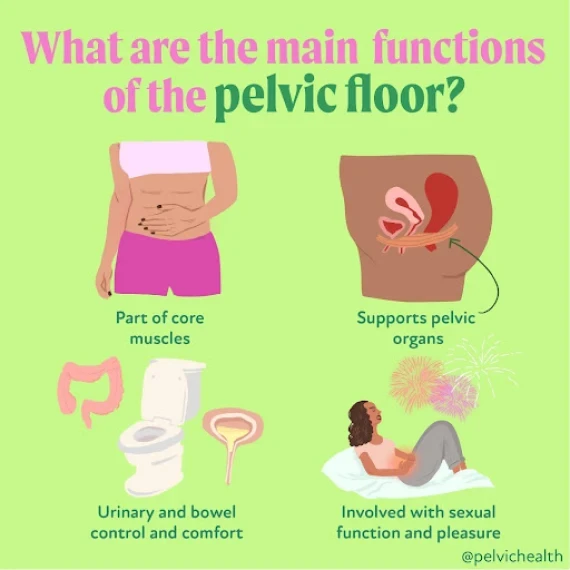
Many people are unaware of the importance of maintaining good pelvic floor health. The pelvic floor is a group of muscles that support the organs in the pelvis, including the bladder, uterus, and rectum. When these muscles become weakened or damaged, it can lead to a variety of health issues that can significantly impact a person’s quality of life.
Common Pelvic Floor Issues
There are several common pelvic floor issues that people may experience, including:
Incontinence: This is the inability to control the bladder or bowels, leading to leakage of urine or feces.
Pelvic Organ Prolapse: This occurs when the pelvic organs, such as the bladder or uterus, bulge into the vaginal wall.
Pelvic Pain: Chronic pain in the pelvic area can be caused by muscle tension, nerve damage, or other underlying issues.
Seeking Treatment
If you are experiencing symptoms of pelvic floor dysfunction, it is important to seek treatment from a healthcare provider. There are a variety of treatment options available, depending on the specific issue you are facing.
Physical Therapy
Physical therapy is often recommended for pelvic floor issues, as it can help strengthen the muscles and improve overall function. A physical therapist specializing in pelvic floor health can provide exercises and techniques to target specific areas of weakness or dysfunction.
Medication
In some cases, medication may be prescribed to help manage symptoms of pelvic floor dysfunction, such as incontinence or pelvic pain. These medications can help alleviate discomfort and improve quality of life.
Surgery
In more severe cases of pelvic floor dysfunction, surgery may be necessary to repair damaged muscles or correct structural issues. This is typically considered a last resort option when other treatments have been unsuccessful.
Preventing Pelvic Floor Issues
While some pelvic floor issues are unavoidable, there are steps you can take to help prevent or minimize the risk of developing these issues. Some preventative measures include:
Strengthening Exercises: Regularly performing exercises that target the pelvic floor muscles, such as Kegels, can help improve muscle tone and function.
Healthy Lifestyle Choices: Maintaining a healthy weight, staying hydrated, and avoiding smoking can help reduce the risk of pelvic floor dysfunction.
Regular Physical Exams: Routine physical exams can help detect pelvic floor issues early on and allow for prompt treatment.
Conclusion
Overall, pelvic floor health is an important aspect of overall well-being that should not be overlooked. By addressing common issues and seeking appropriate treatment, you can improve your quality of life and prevent potential complications down the road. Remember to consult with a healthcare provider if you are experiencing symptoms of pelvic floor dysfunction to determine the best course of action for your individual needs.