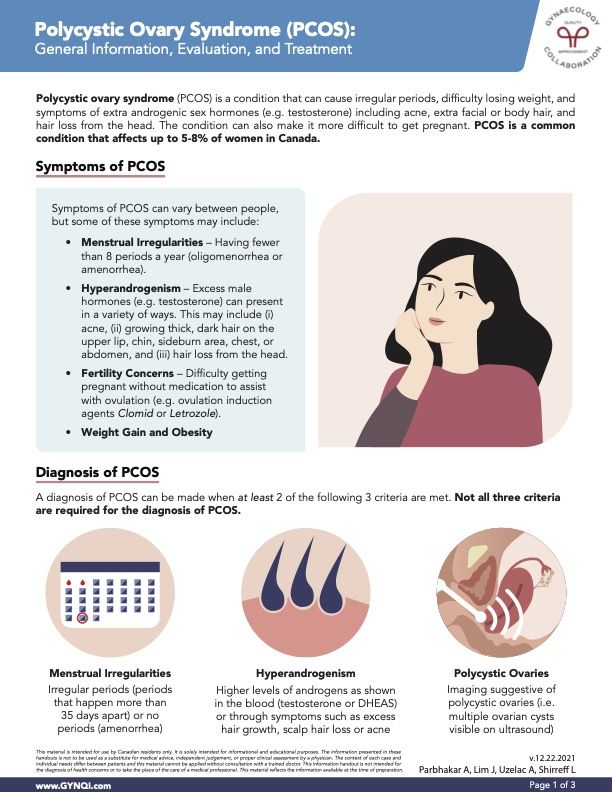
Polycystic Ovary Syndrome, commonly known as PCOS, is a hormonal disorder that affects women of reproductive age. It is characterized by irregular periods, excess androgen levels, and polycystic ovaries. Women with PCOS may also experience symptoms such as acne, weight gain, and hair loss.
Symptoms of PCOS
The symptoms of PCOS can vary from woman to woman, but some common signs include:
Irregular periods
Excess facial and body hair
Acne
Weight gain
Thinning hair
If you suspect you have PCOS, it is important to see a healthcare provider for a proper diagnosis. Your doctor may perform blood tests, pelvic exams, and ultrasounds to confirm the condition.
Managing PCOS Symptoms
While there is no cure for PCOS, there are several ways to manage the symptoms and improve overall health. Here are some tips to help you navigate life with PCOS:
Diet and Exercise
Following a healthy diet and maintaining an active lifestyle can help manage PCOS symptoms. Focus on eating whole, nutrient-dense foods and limit processed foods and sugars. Regular exercise, such as cardio and strength training, can also help regulate hormone levels and promote weight loss.
Medication
Your doctor may prescribe medications to help manage specific symptoms of PCOS. This could include birth control pills to regulate your menstrual cycle, anti-androgen medications to reduce excess hair growth, and insulin-sensitizing agents to help with insulin resistance.
Stress Management
Stress can exacerbate PCOS symptoms, so finding ways to manage stress is important. This could include practicing mindfulness, meditation, yoga, or seeking therapy to help cope with the emotional toll of dealing with PCOS.
Improving Fertility with PCOS
One of the biggest challenges women with PCOS face is infertility. Fortunately, there are several ways to improve fertility and increase your chances of conception:
Weight Management
Weight management is crucial for women with PCOS who are trying to conceive. Losing just 5-10% of your body weight can help regulate hormone levels and improve fertility. Speak with your doctor or a nutritionist to create a healthy weight loss plan.
Fertility Treatments
If you are struggling to conceive, talk with your healthcare provider about fertility treatments. This could include medications to induce ovulation, intrauterine insemination (IUI), or in vitro fertilization (IVF) to help you achieve pregnancy.
Support and Resources
Dealing with PCOS and infertility can be overwhelming, but you are not alone. Joining support groups, seeking counseling, and connecting with others who are going through similar experiences can provide comfort and guidance during this challenging time.
Conclusion
Living with PCOS can be difficult, but with proper management and support, you can improve your symptoms and increase your chances of conceiving. Remember to work closely with your healthcare provider to create a personalized treatment plan that addresses your specific needs and concerns. With the right tools and resources, you can overcome the obstacles of PCOS and work towards a happy, healthy future.
Stay strong, stay positive, and remember that you are not defined by your diagnosis. You have the strength and resilience to navigate the challenges of PCOS and create the life you deserve.