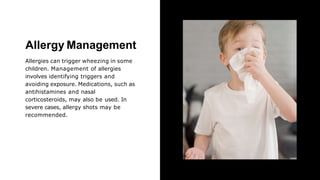
As a parent, one of the most challenging aspects of raising a child with allergies is identifying triggers and managing symptoms. Pediatric allergies can be a serious health concern, impacting a child’s quality of life and overall well-being. In this article, we will discuss common allergens, how to identify triggers, and effective ways to manage symptoms in children.
Common Pediatric Allergens
Children can be allergic to a wide range of substances, with some of the most common allergens including:
Pollen: Pollen from trees, grasses, and weeds can trigger seasonal allergies in children.
Pet Dander: Cats, dogs, and other furry animals can produce dander that can trigger allergic reactions in susceptible children.
Dust Mites: Dust mites are tiny insects that thrive in bedding, carpeting, and upholstered furniture, and can trigger allergies in some children.
Mold: Mold spores can grow in damp environments such as basements, bathrooms, and kitchens, and can trigger allergies in some children.
Food: Common food allergens in children include milk, eggs, peanuts, tree nuts, soy, wheat, fish, and shellfish.
Identifying Triggers
Identifying the specific triggers that cause allergic reactions in your child is essential for effective allergy management. Keep a diary of your child’s symptoms, including when they occur and any potential triggers that may have caused them. You may also consider consulting with an allergist for allergy testing to identify specific allergens that are causing your child’s symptoms.
Allergy Testing
Allergy testing can help identify specific allergens that are triggering your child’s symptoms. There are several types of allergy tests that can be performed, including skin prick tests, blood tests, and patch tests. Your child’s allergist can recommend the most appropriate test based on their symptoms and medical history.
Managing Symptoms
Once you have identified the triggers that are causing your child’s allergic reactions, it is essential to take steps to manage their symptoms effectively. Here are some strategies for managing pediatric allergies:
Allergen Avoidance
Avoiding exposure to known allergens is the most effective way to manage allergies in children. Make sure your home is clean and free of dust, mold, and pet dander. Use hypoallergenic bedding and covers to protect against dust mites. If your child has food allergies, be vigilant about reading food labels and educating others about your child’s allergies.
Allergy Medications
Over-the-counter and prescription allergy medications can help relieve your child’s allergy symptoms. Antihistamines, decongestants, nasal sprays, and eye drops can provide relief from symptoms such as sneezing, runny nose, itching, and congestion. It is essential to consult with your child’s healthcare provider before giving them any medication to ensure it is safe and appropriate.
Allergy Shots
Allergy shots, also known as immunotherapy, can help desensitize your child to specific allergens over time. This treatment involves regular injections of allergens to help your child’s immune system build up a tolerance to them. Allergy shots are typically recommended for children with severe allergies that do not respond well to other treatments.
Conclusion
Pediatric allergies can be challenging to manage, but with proper identification of triggers and effective symptom management, you can help your child lead a happy and healthy life. By working closely with your child’s healthcare provider and allergist, you can develop a personalized allergy management plan that meets your child’s unique needs. Remember, early intervention and proactive management of allergies are key to ensuring your child’s well-being.