Cardiovascular health is a crucial aspect of overall well-being, especially for men who are at a higher risk of developing heart disease compared to women. In fact, cardiovascular disease is the leading cause of death for men in the United States, making it essential for men to be proactive in understanding their risk factors and implementing prevention strategies to maintain a healthy heart.
Risk Factors for Men
There are several risk factors that can contribute to the development of cardiovascular disease in men. These include:
High blood pressure: Men with high blood pressure are at a greater risk of heart disease and stroke.
High cholesterol: Elevated levels of LDL cholesterol can lead to the buildup of plaque in the arteries, increasing the risk of heart attacks and strokes.
Obesity: Excess weight can strain the heart and increase the risk of developing cardiovascular disease.
Smoking: Tobacco use is a major risk factor for heart disease and can damage the blood vessels, reducing blood flow to the heart.
Diabetes: Men with diabetes are more likely to develop heart disease, as high blood sugar levels can damage the blood vessels and nerves that control the heart.
Family history: Genetics play a role in the development of heart disease, so men with a family history of cardiovascular problems are at a higher risk.
Prevention Strategies
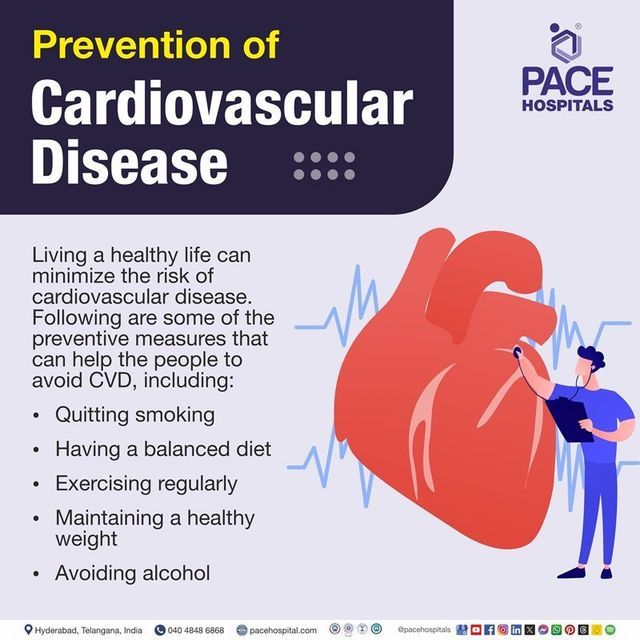
While these risk factors can increase the likelihood of developing heart disease, there are several strategies that men can implement to lower their risk and improve their cardiovascular health:
Healthy Diet
Eating a balanced diet that is low in saturated fat, sodium, and added sugars can help lower cholesterol levels and blood pressure. Men should focus on consuming a variety of fruits, vegetables, whole grains, and lean proteins to support heart health.
Regular Exercise
Engaging in regular physical activity can strengthen the heart muscle, improve circulation, and help maintain a healthy weight. Men should aim for at least 150 minutes of moderate-intensity exercise each week, such as brisk walking, cycling, or swimming.
Quit Smoking
Smoking is a major risk factor for cardiovascular disease, so men should seek support and resources to quit smoking. Quitting tobacco can significantly reduce the risk of heart attacks and strokes.
Manage Stress
Chronic stress can take a toll on the heart and increase the risk of developing heart disease. Men should practice stress-reducing techniques such as deep breathing, meditation, or yoga to promote relaxation and overall well-being.
Regular Check-ups
Men should schedule regular check-ups with their healthcare provider to monitor blood pressure, cholesterol levels, and overall heart health. Early detection and treatment of risk factors can help prevent the progression of cardiovascular disease.
Conclusion
By understanding the risk factors associated with cardiovascular disease and implementing preventative strategies, men can take control of their heart health and reduce their risk of developing heart disease. Making lifestyle changes such as maintaining a healthy diet, engaging in regular exercise, quitting smoking, managing stress, and attending regular check-ups can significantly improve cardiovascular health and overall well-being. It is never too late to prioritize heart health and make positive changes to support a healthy heart for years to come.