Male infertility can be caused by a variety of factors, including but not limited to:
Genetic disorders
Hormonal imbalances
Varicocele (enlarged veins within the scrotum)
Exposure to certain chemicals or toxins
Chronic illnesses
Evaluation of Male Infertility
When a couple struggles with infertility, it is important to conduct a thorough evaluation of both partners. For men, this evaluation often includes:
Semen analysis to assess sperm count, motility, and morphology
Hormone testing to evaluate levels of testosterone, follicle-stimulating hormone (FSH), luteinizing hormone (LH), and others
Physical examination to check for signs of anatomical abnormalities
Genetic testing to detect any hereditary causes of infertility
Assisted Reproductive Technologies
For couples facing male infertility, assisted reproductive technologies (ART) can offer hope for starting a family. Some common ART procedures include:
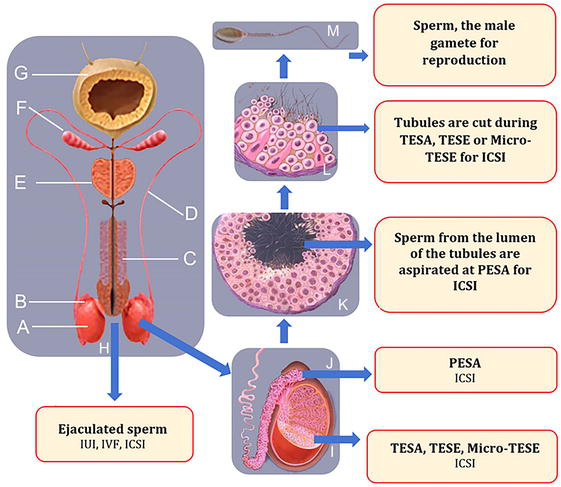
Intrauterine insemination (IUI) – where sperm is directly injected into the woman’s uterus
In vitro fertilization (IVF) – where eggs are retrieved from the woman, fertilized with sperm in a laboratory dish, and then implanted in the uterus
Intracytoplasmic sperm injection (ICSI) – where a single sperm is injected directly into an egg to aid fertilization
Testicular sperm extraction (TESE) – where sperm is retrieved from the testicles in cases of severe male infertility
Conclusion
Male infertility is a complex issue that can have a variety of causes, ranging from hormonal imbalances to genetic disorders. Through comprehensive evaluation and the use of assisted reproductive technologies, many couples are able to overcome male infertility and achieve their dream of starting a family.