Testicular cancer is a serious health concern that affects men of all ages. Understanding the risks, symptoms, and importance of self-exams can help in early detection and treatment. In this article, we will discuss the basics of testicular health, the signs of testicular cancer, and how to perform self-exams.
What is Testicular Cancer?
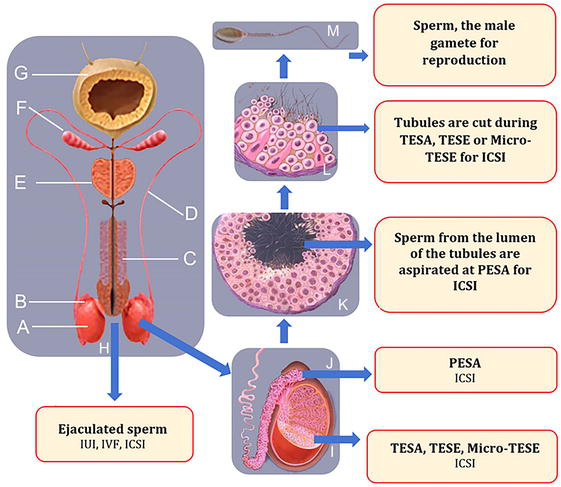
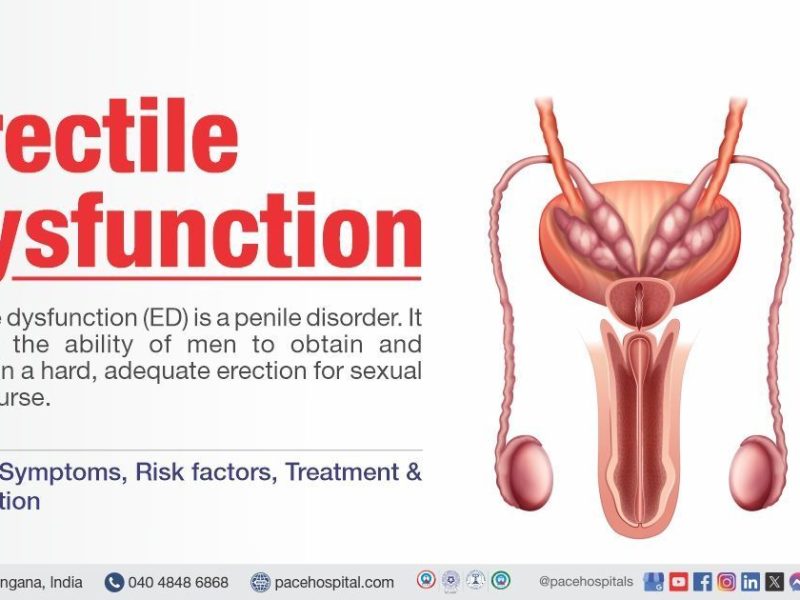
Testicular cancer is a type of cancer that develops in the testicles, which are part of the male reproductive system. It is relatively rare compared to other types of cancer, but it is the most common cancer in young men aged 15 to 35. The exact cause of testicular cancer is unknown, but risk factors include a family history of the disease, undescended testicles, and a history of testicular abnormalities.
Signs and Symptoms of Testicular Cancer
Early detection of testicular cancer is crucial for successful treatment. Some common signs and symptoms of testicular cancer include:
A lump or swelling in one or both testicles
Pain or discomfort in the testicles or scrotum
A change in the size or shape of the testicles
Fluid buildup in the scrotum
A dull ache in the lower abdomen or groin
Enlargement or tenderness of the breasts
If you experience any of these symptoms, it is important to see a healthcare provider for further evaluation and testing.
Self-Exams for Testicular Cancer
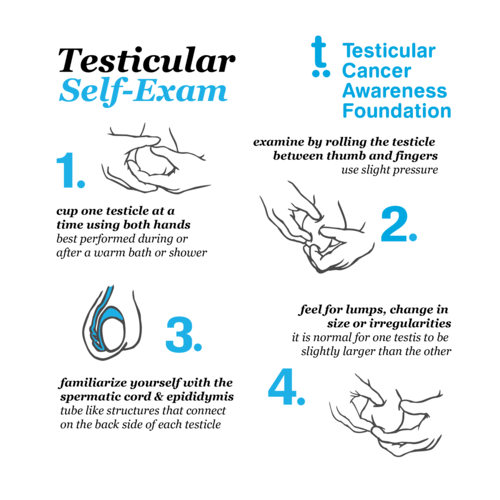
Regular self-exams can help men detect testicular cancer in its early stages. Here are the steps to performing a self-exam:
Stand in front of a mirror and visually check for any swelling or changes in the size or shape of your testicles.
Gently feel each testicle with both hands, using your thumb and fingers to check for lumps, swelling, or other abnormalities.
Roll each testicle between your fingers to check for any changes in texture or firmness.
Repeat these steps monthly and consult a healthcare provider if you notice any changes or abnormalities.
Conclusion
Testicular health is an important aspect of overall well-being for men. Understanding the risks and symptoms of testicular cancer, as well as performing regular self-exams, can help in early detection and treatment. Remember to consult a healthcare provider if you have any concerns about your testicular health. Stay informed and proactive about your health to live a happy and healthy life.
Remember, early detection is key, so make sure to stay vigilant and perform regular self-exams to keep your testicular health in check.