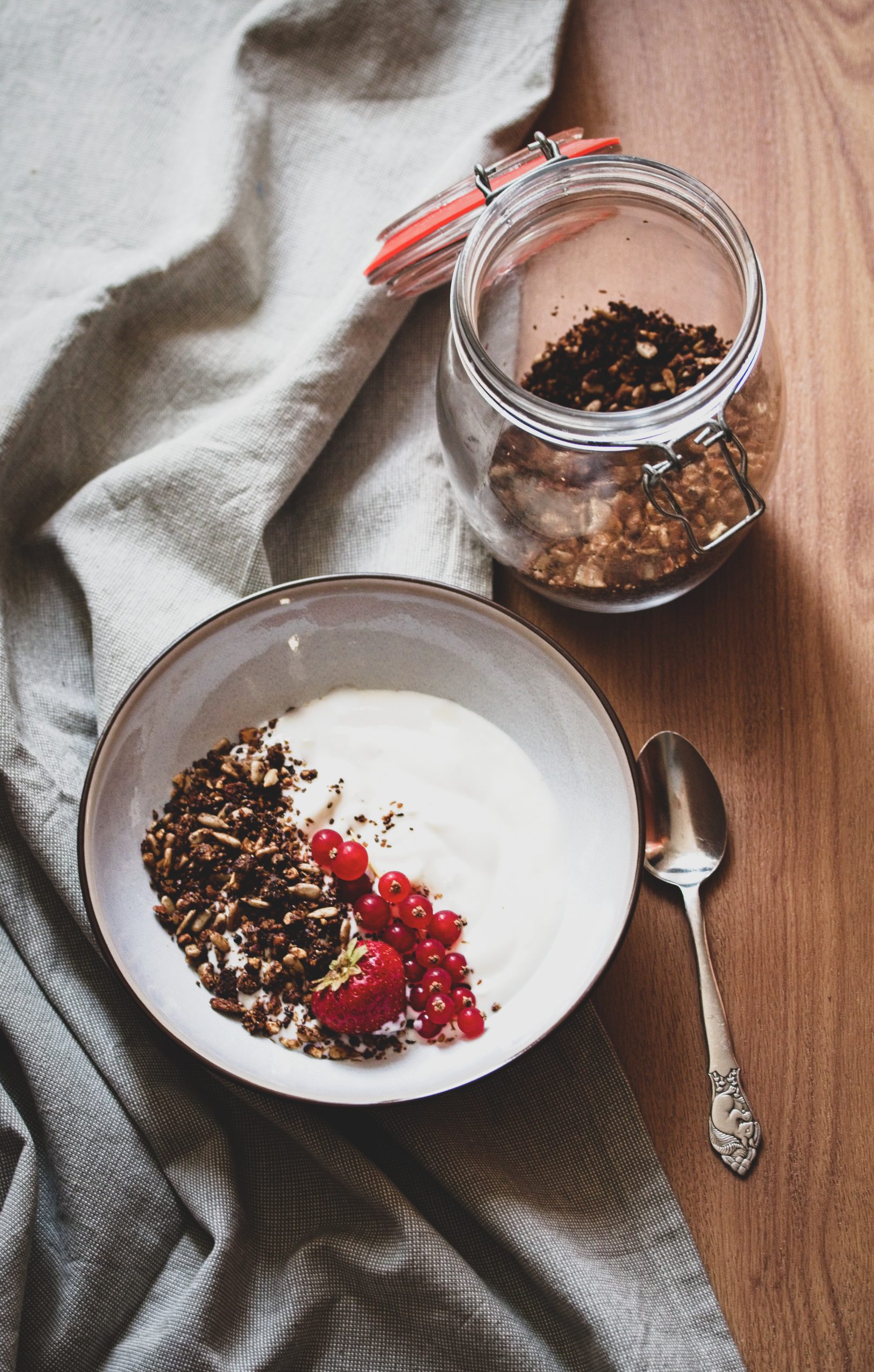
Our gut microbiome, the complex community of microorganisms that live in our digestive tract, plays a crucial role in maintaining our overall health. Research has shown that the diversity and composition of our gut microbiome can be influenced by various factors, including diet. In this article, we will explore the impact of diet on gut health and how we can optimize our diet to support a healthy gut microbiome.
Understanding the Gut Microbiome
The gut microbiome is composed of trillions of bacteria, viruses, and fungi that live in our digestive tract. These microorganisms play a crucial role in various bodily functions, such as digestion, immune function, and metabolism. Maintaining a healthy balance of gut bacteria is essential for overall health and well-being.
The Impact of Diet on Gut Health
Studies have shown that our diet can have a significant impact on the composition and diversity of our gut microbiome. Certain foods, such as high-fiber fruits and vegetables, can promote the growth of beneficial bacteria in the gut, while processed foods and sugary beverages can disrupt the balance of gut bacteria and promote the growth of harmful bacteria.
Additionally, a diet high in saturated fats and sugar has been linked to inflammation in the gut, which can contribute to various digestive disorders, such as irritable bowel syndrome (IBS) and inflammatory bowel disease (IBD).
Optimizing Your Diet for Gut Health
To support a healthy gut microbiome, it is essential to include a variety of nutrient-dense foods in your diet. Here are some tips to optimize your diet for gut health:
1. Eat a Variety of Fiber-Rich Foods
Fiber is essential for promoting the growth of beneficial bacteria in the gut. Include a variety of high-fiber foods in your diet, such as fruits, vegetables, whole grains, legumes, and nuts.
2. Include Fermented Foods
Fermented foods, such as yogurt, kefir, kimchi, and sauerkraut, contain probiotics that can help support a healthy gut microbiome. Include fermented foods in your diet regularly to promote the growth of beneficial bacteria in the gut.
3. Limit Processed Foods and Sugary Beverages
Processed foods and sugary beverages can disrupt the balance of gut bacteria and promote the growth of harmful bacteria. Limit your intake of these foods and opt for whole, unprocessed foods instead.
4. Stay Hydrated
Drinking an adequate amount of water is essential for maintaining a healthy gut microbiome. Aim to drink at least eight glasses of water a day to support digestion and promote gut health.
Conclusion
Our gut microbiome plays a crucial role in maintaining our overall health, and diet plays a significant role in shaping the composition and diversity of our gut bacteria. By including a variety of nutrient-dense foods in our diet and avoiding processed foods and sugary beverages, we can support a healthy gut microbiome and promote optimal gut health.