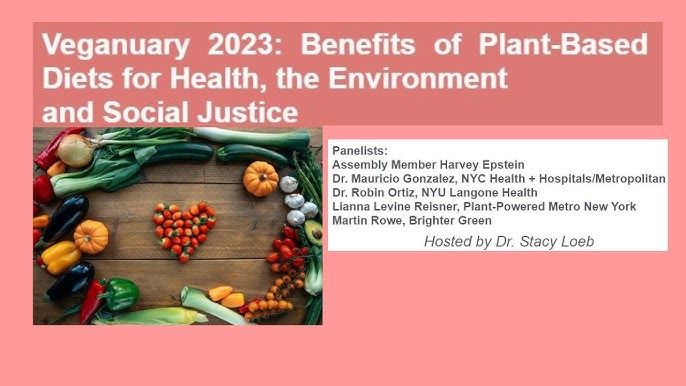
In recent years, plant-based diets have been gaining popularity as a healthier and more sustainable alternative to traditional meat-heavy diets. Not only are plant-based diets better for our health, but they also have a positive impact on the environment. In this article, we will explore the numerous benefits of adopting a plant-based diet, both for our own well-being and for the planet.
Health Benefits of Plant-Based Diets
One of the main reasons why so many people are turning to plant-based diets is because of the numerous health benefits they offer. Studies have shown that plant-based diets are associated with a lower risk of chronic diseases such as heart disease, diabetes, and certain types of cancer. By focusing on whole plant foods such as fruits, vegetables, whole grains, nuts, and seeds, individuals can improve their overall health and well-being.
Plant-based diets are also rich in essential nutrients such as vitamins, minerals, and antioxidants. These nutrients are important for supporting a strong immune system, maintaining healthy skin, hair, and nails, and reducing inflammation in the body. Additionally, plant-based diets are often lower in saturated fat and cholesterol, which can help lower the risk of developing cardiovascular disease.
Environmental Benefits of Plant-Based Diets
In addition to the health benefits, plant-based diets also have a positive impact on the environment. The meat industry is a major contributor to greenhouse gas emissions, deforestation, water pollution, and soil degradation. By reducing our consumption of animal products and increasing our intake of plant-based foods, we can significantly reduce our carbon footprint and help mitigate climate change.
Plant-based diets require fewer resources to produce than traditional meat-heavy diets. Livestock farming is incredibly resource-intensive, requiring vast amounts of land, water, and feed to raise animals for consumption. By transitioning to a plant-based diet, we can help conserve precious natural resources and reduce the strain on the environment.
Tips for Adopting a Plant-Based Diet
If you are interested in transitioning to a plant-based diet, there are a few tips that can help make the process easier and more enjoyable. Start by gradually incorporating more plant-based foods into your meals, such as vegetables, fruits, legumes, and whole grains. Experiment with different recipes and cooking techniques to discover new flavors and textures.
It’s also important to pay attention to your nutrient intake and ensure that you are getting all the essential nutrients your body needs. Consider consulting with a registered dietitian to help you create a well-balanced plant-based meal plan that meets your individual needs and preferences.
Conclusion
Plant-based diets offer a wide range of health benefits and are better for the environment compared to traditional meat-heavy diets. By focusing on whole plant foods and reducing our consumption of animal products, we can improve our overall well-being and contribute to a more sustainable future for our planet. Whether you are looking to improve your health, reduce your environmental impact, or simply try something new, adopting a plant-based diet is a great choice for both you and the planet.