When it comes to men’s health, one of the most important aspects to consider is prostate health. The prostate is a small gland located below the bladder and in front of the rectum. It plays a crucial role in the male reproductive system, producing fluid that nourishes and protects sperm. As men age, they become more at risk for developing prostate issues, including benign prostatic hyperplasia (BPH) and prostate cancer. It is essential for men to understand the importance of screening, diagnosis, and treatment options for maintaining optimal prostate health.
Screening for Prostate Health
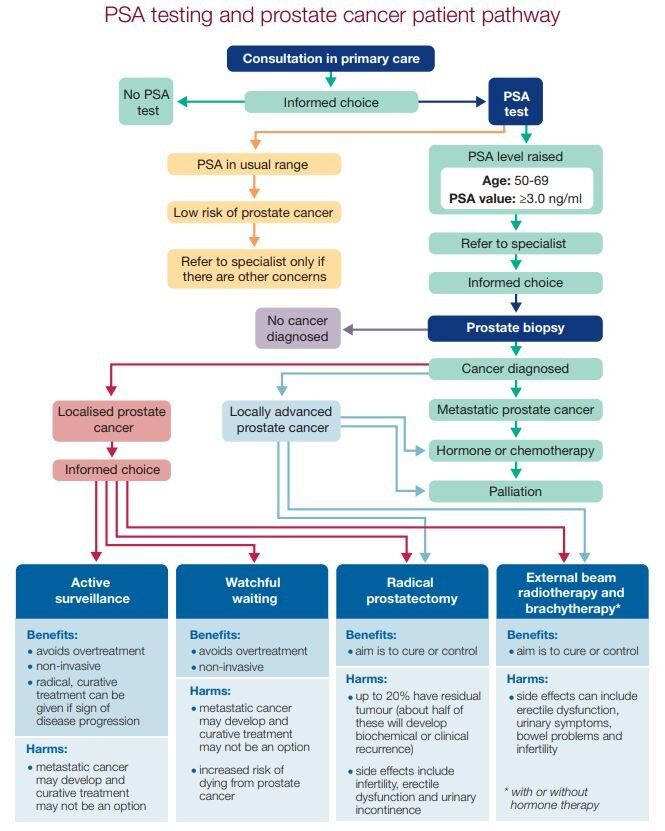
Screening for prostate health typically involves a prostate-specific antigen (PSA) blood test and a digital rectal exam (DRE). The PSA test measures the level of a protein produced by the prostate gland. Elevated PSA levels can indicate a potential problem, although it is not always a definitive sign of prostate cancer. The DRE involves a healthcare provider manually checking the prostate gland for any lumps or abnormalities. These screenings are essential for early detection and can help identify potential issues before they become more serious.
Diagnosis of Prostate Conditions
If screening tests indicate a potential issue with the prostate, further diagnostic tests may be necessary. This can include imaging tests such as a transrectal ultrasound or a prostate biopsy. A biopsy involves taking a small sample of prostate tissue to examine for the presence of cancer cells. The diagnosis of prostate conditions can be a stressful and uncertain time for men, but early detection and accurate diagnosis are crucial for determining the appropriate course of treatment.
Treatment Options for Prostate Health
There are several treatment options available for prostate health, depending on the specific condition and the severity of the symptoms. For benign prostatic hyperplasia (BPH), medications such as alpha-blockers or 5-alpha-reductase inhibitors may be prescribed to help manage symptoms. In more severe cases, minimally invasive procedures such as transurethral resection of the prostate (TURP) or laser therapy may be recommended.
For prostate cancer, treatment options can vary depending on the stage of the disease and the overall health of the individual. Active surveillance, surgery, radiation therapy, or hormone therapy may be recommended. It is crucial for men diagnosed with prostate cancer to work closely with their healthcare providers to determine the most appropriate treatment plan for their specific situation.
Importance of Prostate Health Awareness
As men age, the risk of developing prostate issues increases. It is essential for men to be proactive about their prostate health and seek regular screenings and check-ups. Being aware of the signs and symptoms of prostate conditions can help catch potential issues early and increase the chances of successful treatment. By prioritizing prostate health awareness, men can take control of their health and well-being.
Conclusion
Prostate health is a critical aspect of men’s overall well-being. Screening, diagnosis, and treatment options play a vital role in maintaining optimal prostate health and managing potential issues such as BPH and prostate cancer. By staying informed and proactive about prostate health, men can help preserve their quality of life and reduce the risk of developing serious complications. It is essential for men to prioritize their prostate health and work closely with healthcare providers to address any concerns or symptoms promptly.