Menstruation is a natural biological process that every woman goes through. Understanding periods and how to manage menstrual disorders is crucial for maintaining good menstrual health.
What is Menstruation?
Menstruation is the monthly shedding of the uterine lining in women and is typically accompanied by bleeding. It is a normal part of the menstrual cycle and usually lasts for about 3 to 7 days.
Understanding the Menstrual Cycle
The menstrual cycle is divided into four phases: menstrual phase, follicular phase, ovulation, and luteal phase. Each phase plays a crucial role in the reproductive system and fertility.
Common Menstrual Disorders
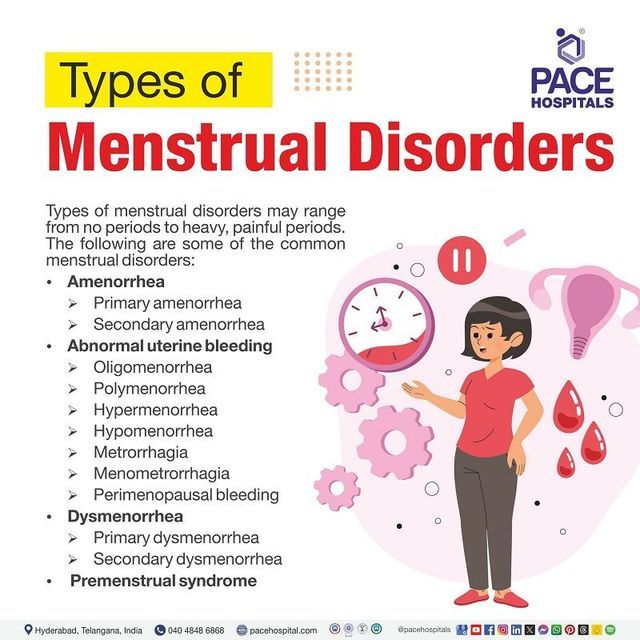
Several menstrual disorders can affect women, including:
Dysmenorrhea: Painful periods
Menorrhagia: Heavy menstrual bleeding
Amenorrhea: Absence of menstruation
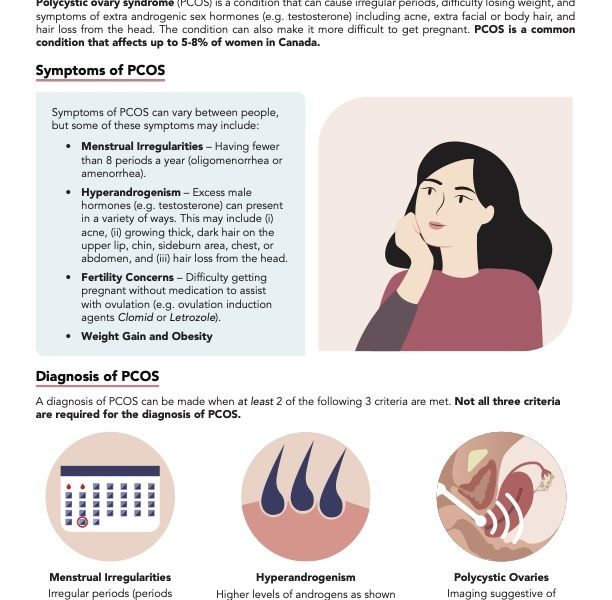
Polycystic Ovary Syndrome (PCOS): Hormonal disorder affecting the ovaries
Managing Menstrual Disorders
There are various ways to manage menstrual disorders, including:
Medical Treatment: Consult a healthcare provider for medication and treatment options.
Healthy Lifestyle: Maintain a balanced diet, exercise regularly, and manage stress.
Alternative Therapies: Consider practices like acupuncture or yoga to alleviate symptoms.
Importance of Menstrual Health
Good menstrual health is essential for overall well-being and reproductive health. It is crucial to address any menstrual disorders promptly to prevent potential complications.
Conclusion
Understanding periods and managing menstrual disorders is vital for every woman’s health. By taking care of your menstrual health, you can lead a healthier and happier life.