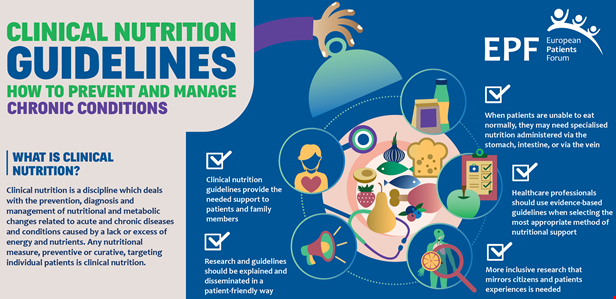
As technology continues to advance at an unprecedented rate, it’s easy to overlook the importance of basic human needs such as nutrition. However, research has shown that proper nutrition plays a critical role in preventing and managing various diseases, including chronic conditions like heart disease, diabetes, and cancer.
Understanding the Connection Between Nutrition and Disease
Our bodies require a variety of nutrients to function properly, including vitamins, minerals, and macronutrients like protein, carbohydrates, and fat. When we don’t get enough of these essential nutrients, our immune system weakens, making us more susceptible to illness and disease.
For example, a diet high in saturated fats and processed sugars has been linked to an increased risk of heart disease and diabetes. On the other hand, a diet rich in fruits, vegetables, whole grains, and lean proteins can help prevent these conditions and promote overall health.
The Impact of Nutrition on Chronic Diseases
Chronic diseases like heart disease, diabetes, and cancer are among the leading causes of death worldwide. While genetics and lifestyle factors play a significant role in the development of these diseases, research has shown that nutrition can also play a key role in prevention and management.
For example, a diet high in antioxidants, such as vitamin C and E, can help protect against cell damage and reduce the risk of cancer. Likewise, a diet low in sodium and high in potassium can help lower blood pressure and reduce the risk of heart disease.
Creating a Healthy Eating Plan
So, how can we use nutrition to prevent and manage disease? The key is to create a healthy eating plan that includes a variety of nutrient-rich foods. Here are some tips to get started:
Include a variety of fruits and vegetables in your diet, aiming for at least 5 servings per day.
Choose whole grains like brown rice, quinoa, and oats over refined grains like white bread and pasta.
Opt for lean proteins like chicken, fish, and tofu, and limit red and processed meats.
Avoid sugary drinks and opt for water, herbal tea, or unsweetened beverages instead.
Limit your intake of saturated fats and trans fats, and choose healthy fats like avocado, nuts, and olive oil instead.
Consulting with a Registered Dietitian
If you have a specific health condition or are looking to improve your overall well-being through nutrition, consider consulting with a registered dietitian. A dietitian can help you create a personalized eating plan that meets your individual nutritional needs and health goals.
In conclusion, nutrition plays a crucial role in disease prevention and management. By making healthy food choices and following a balanced eating plan, you can reduce your risk of chronic diseases and improve your overall health and well-being.
Remember, food is not just fuel for our bodies – it’s medicine. Let’s use the power of nutrition to take control of our health and live our best lives.