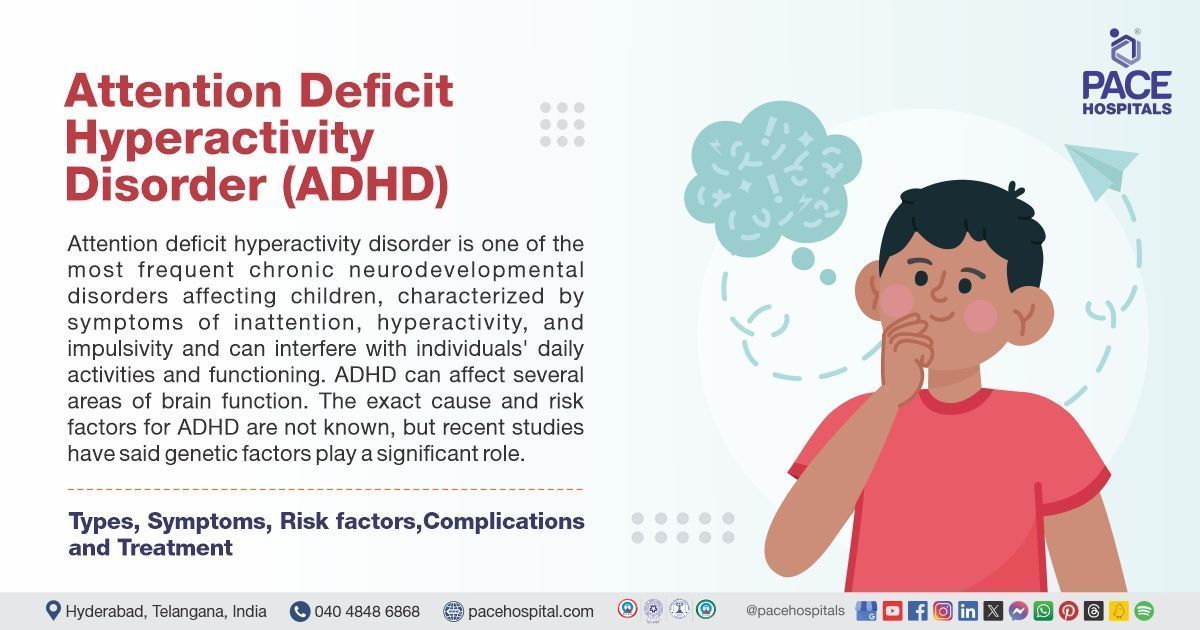
Attention-Deficit/Hyperactivity Disorder (ADHD) is a neurodevelopmental disorder that affects individuals of all ages. It is characterized by symptoms of inattention, impulsivity, and hyperactivity, which can impact a person’s daily functioning and quality of life. In this article, we will discuss the diagnosis and management of ADHD, including the latest advances in treatment options.
Diagnosis
Diagnosing ADHD can be a complex process that involves a thorough evaluation of the individual’s symptoms, medical history, and behavior. To be diagnosed with ADHD, the symptoms must be present in multiple settings, such as at home, school, or work, and significantly impact daily functioning. It is important to rule out other possible explanations for the symptoms, such as anxiety, depression, or learning disabilities.
ADHD is typically diagnosed by a qualified healthcare professional, such as a psychiatrist, psychologist, or pediatrician. The diagnostic process may involve a combination of interviews, self-report questionnaires, and behavioral assessments. In some cases, additional testing, such as psychological testing or brain imaging, may be recommended to confirm the diagnosis.
Management
Once a diagnosis of ADHD has been made, the next step is to develop a comprehensive management plan to help the individual effectively manage their symptoms and improve their quality of life. Treatment for ADHD typically involves a combination of behavioral therapy, medication, and lifestyle modifications.
Behavioral Therapy
Behavioral therapy is a cornerstone of ADHD management and can help individuals develop coping strategies, improve their organizational skills, and strengthen their focus and concentration. Cognitive-behavioral therapy (CBT) and social skills training are common forms of therapy used to address the symptoms of ADHD and improve overall functioning.
Medication
Medication is often used in conjunction with behavioral therapy to help manage the symptoms of ADHD. Stimulant medications, such as methylphenidate and amphetamine, are commonly prescribed to help improve focus, attention, and impulsivity. Non-stimulant medications, such as atomoxetine and guanfacine, may also be used to manage symptoms in individuals who do not respond well to stimulants.
Lifestyle Modifications
In addition to therapy and medication, lifestyle modifications can also be beneficial in managing the symptoms of ADHD. Regular exercise, a healthy diet, and a consistent sleep schedule can all help improve focus and concentration. Creating a structured routine, minimizing distractions, and setting realistic goals can also help individuals with ADHD better manage their symptoms.
Latest Advances in Treatment
Advances in research have led to the development of new and innovative treatment options for ADHD. One promising treatment is neurofeedback, a form of biofeedback that uses real-time brain activity measurements to help individuals regulate their attention and behavior. Virtual reality therapy is another emerging treatment option that aims to improve attention and executive function skills through engaging and interactive exercises.
Additionally, researchers are exploring the potential benefits of lifestyle interventions, such as mindfulness meditation and yoga, in managing the symptoms of ADHD. These alternative therapies can help individuals improve their self-regulation skills and reduce stress, which may in turn improve their overall well-being and quality of life.
Conclusion
Overall, the diagnosis and management of ADHD is a multifaceted process that requires a comprehensive approach. By working with a qualified healthcare professional, individuals with ADHD can develop a personalized treatment plan that addresses their unique needs and challenges. With the right combination of therapy, medication, and lifestyle modifications, individuals with ADHD can effectively manage their symptoms and lead fulfilling and successful lives.
Remember, if you or a loved one suspect they may have ADHD, it is important to seek help from a healthcare professional to receive an accurate diagnosis and appropriate treatment.