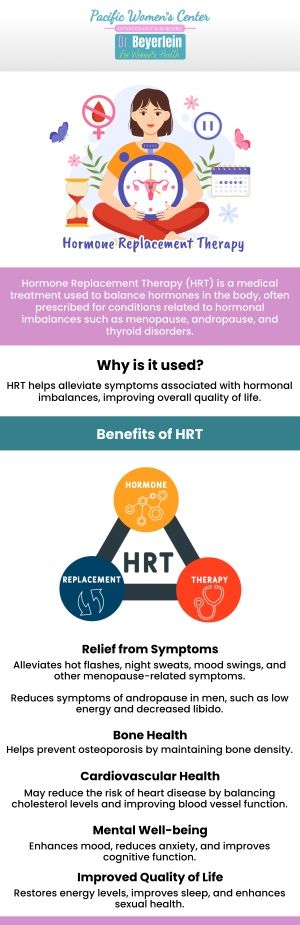
Our hormones play a crucial role in maintaining various bodily functions, including metabolism, mood regulation, and reproductive health. Hormonal imbalances can lead to a wide range of health issues, from fatigue and weight gain to infertility and mood swings.
Recognizing Hormonal Imbalances
It’s important to be aware of the signs and symptoms of hormonal imbalances so that you can address them promptly. Common symptoms include irregular periods, hot flashes, hair loss, and irritability. If you suspect that you may have a hormonal imbalance, it’s essential to consult with a healthcare professional for proper diagnosis and treatment.
Addressing Hormonal Imbalances Naturally
There are several natural ways to balance your hormones, including maintaining a healthy diet, getting regular exercise, managing stress levels, and getting enough sleep. Certain foods, such as broccoli, flaxseeds, and turmeric, can help support hormonal balance. Additionally, incorporating mindfulness practices like meditation and yoga into your daily routine can help lower stress levels and balance your hormones.
When Hormone Replacement Therapy is Necessary
In some cases, natural remedies may not be enough to address hormonal imbalances. This is where hormone replacement therapy (HRT) comes in. HRT is a treatment that involves replacing hormones that your body is no longer producing enough of. It can help alleviate symptoms of menopause, hypothyroidism, and other hormonal disorders.
Types of Hormone Replacement Therapy
There are several types of HRT available, including estrogen therapy, testosterone therapy, and thyroid hormone therapy. Your healthcare provider will determine the most appropriate type of HRT based on your specific hormonal imbalance and medical history.
Benefits of Hormone Replacement Therapy
HRT can provide relief from symptoms such as hot flashes, night sweats, mood swings, and fatigue. It can also help improve bone density, reduce the risk of heart disease, and improve overall quality of life for those suffering from hormonal imbalances.
Risks and Side Effects
While HRT can be highly effective in treating hormonal imbalances, it is not without risks. Some potential side effects of HRT include bloating, breast tenderness, and an increased risk of blood clots. It’s essential to discuss the potential risks and benefits of HRT with your healthcare provider before starting treatment.
Conclusion
Ensuring hormonal health is crucial for overall well-being. By recognizing the signs of hormonal imbalances and seeking appropriate treatment, such as hormone replacement therapy, you can effectively manage your symptoms and improve your quality of life. Consult with a healthcare professional to determine the best course of action for addressing your hormonal imbalances.